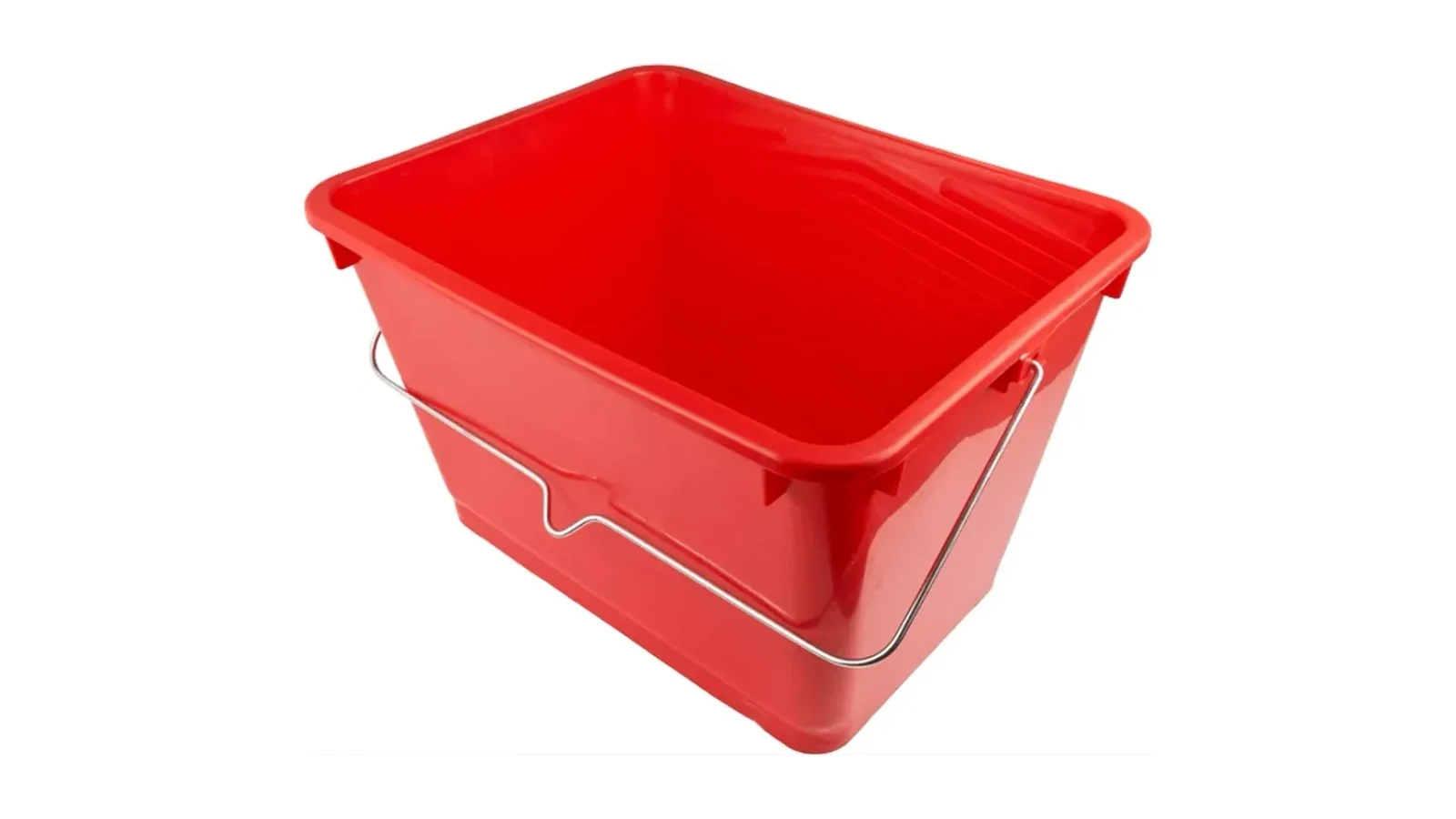

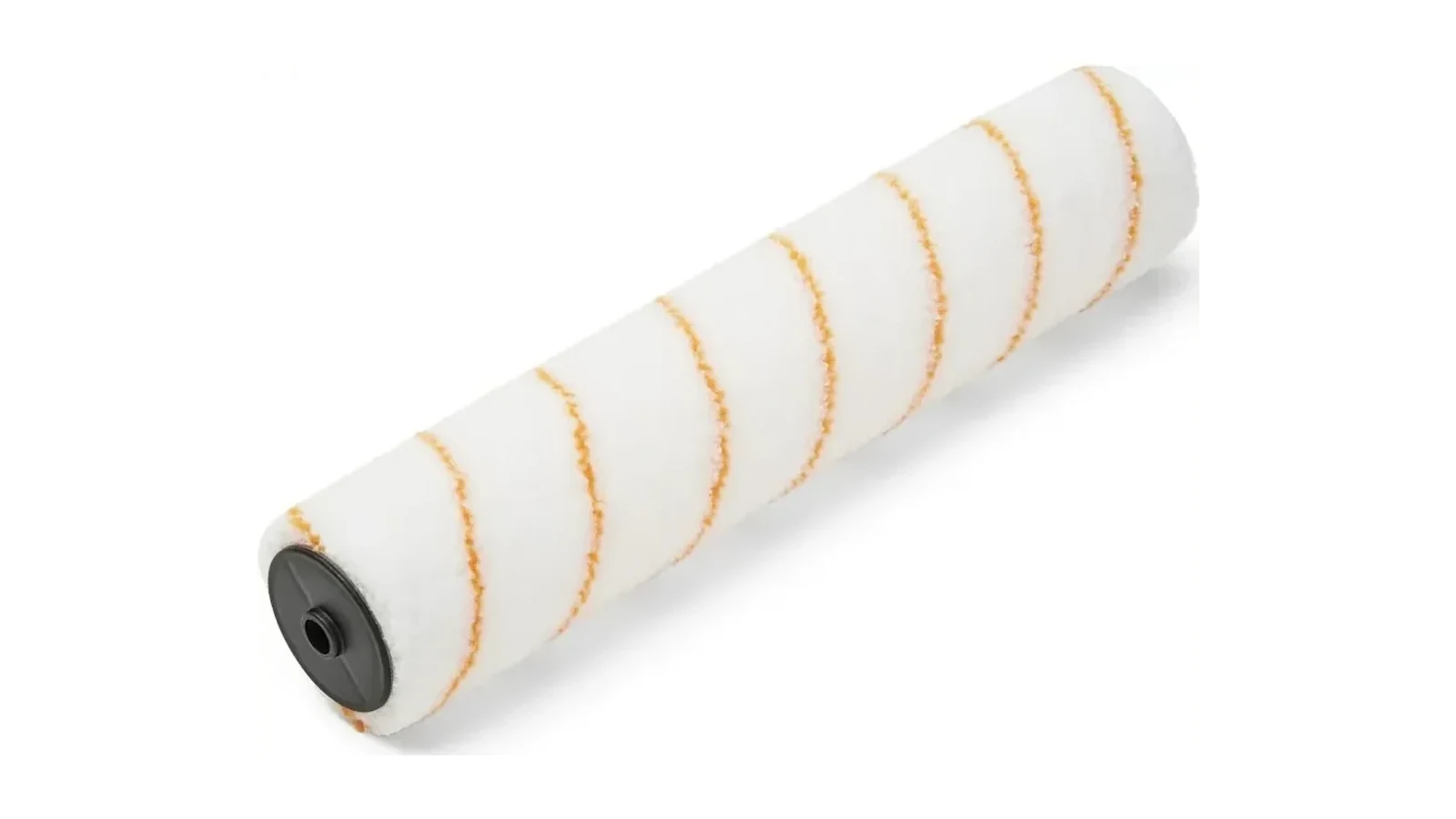
02 / COVERS · FRAMES · TRAYS · SETS

Specify cover material, pile height, core, frame and packaging as one coordinated system for the surface your customers paint.

Paint roller applying a smooth coat to a wall
06 product familiesCover · Frame · Tray

Paint roller covers, frames, trays and sets for wholesale programs

Pamin supplies paint roller ranges to importers, distributors, private-label brands and professional tool programs. A roller is specified as a system: cover fabric and pile height, core diameter and end cap, frame geometry, tray format and retail packaging are approved together, so refills stay compatible with the intended frame.

Buyers usually start from an existing range that needs a second source, or a new program built around a target market and price position. Both need a clear specification, sample approval, packaging and artwork confirmation before a production order is released.

ROLLER SYSTEMS

Roller covers can be supplied as refills or combined with compatible frames, trays and accessories in coordinated retail programs.

SPECIFICATION OPTIONS

The approved sample records fabric, pile, dimensions, core, bonding, end caps and frame fit as one complete build.

Send a specification
01Cover material

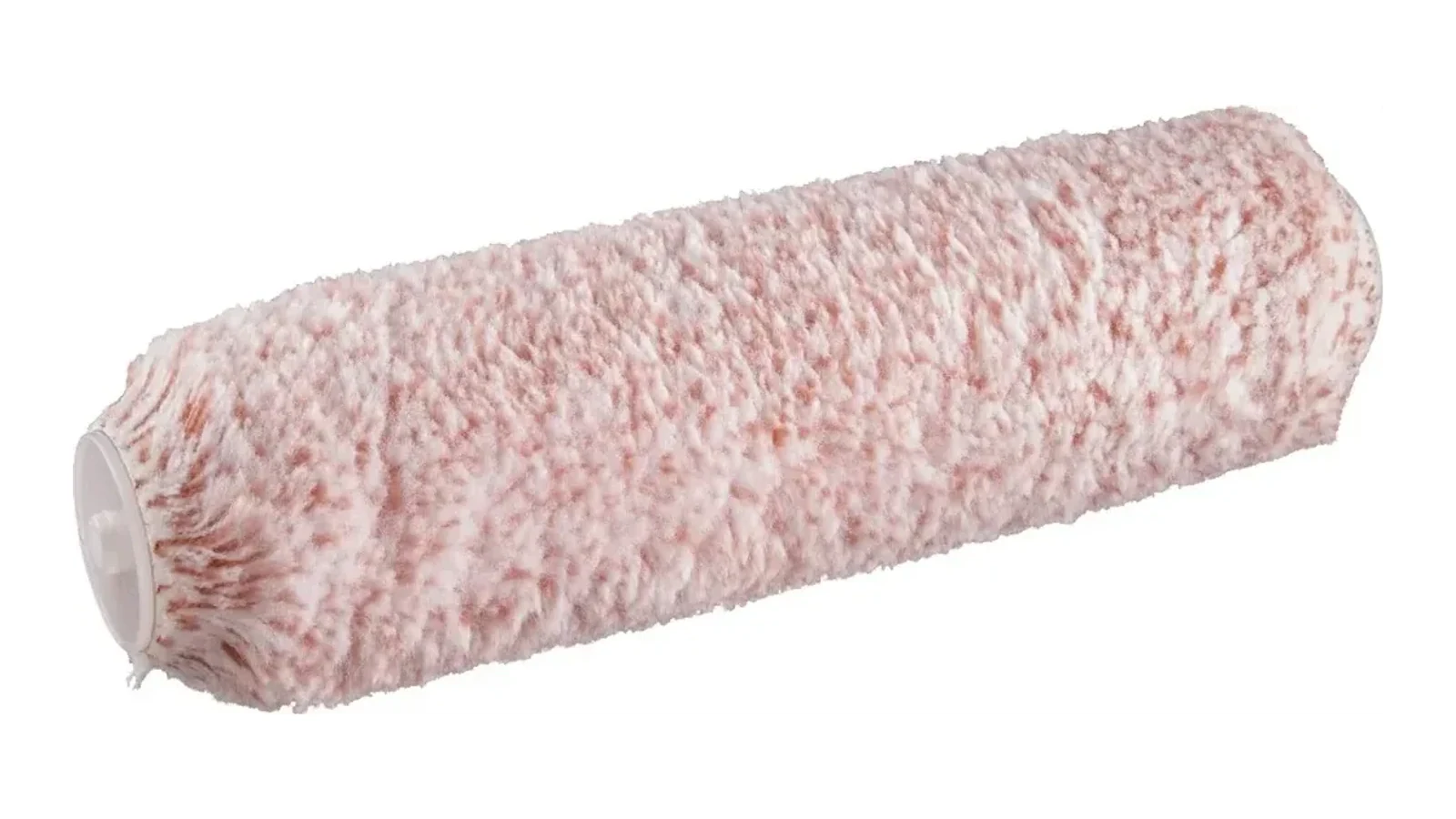
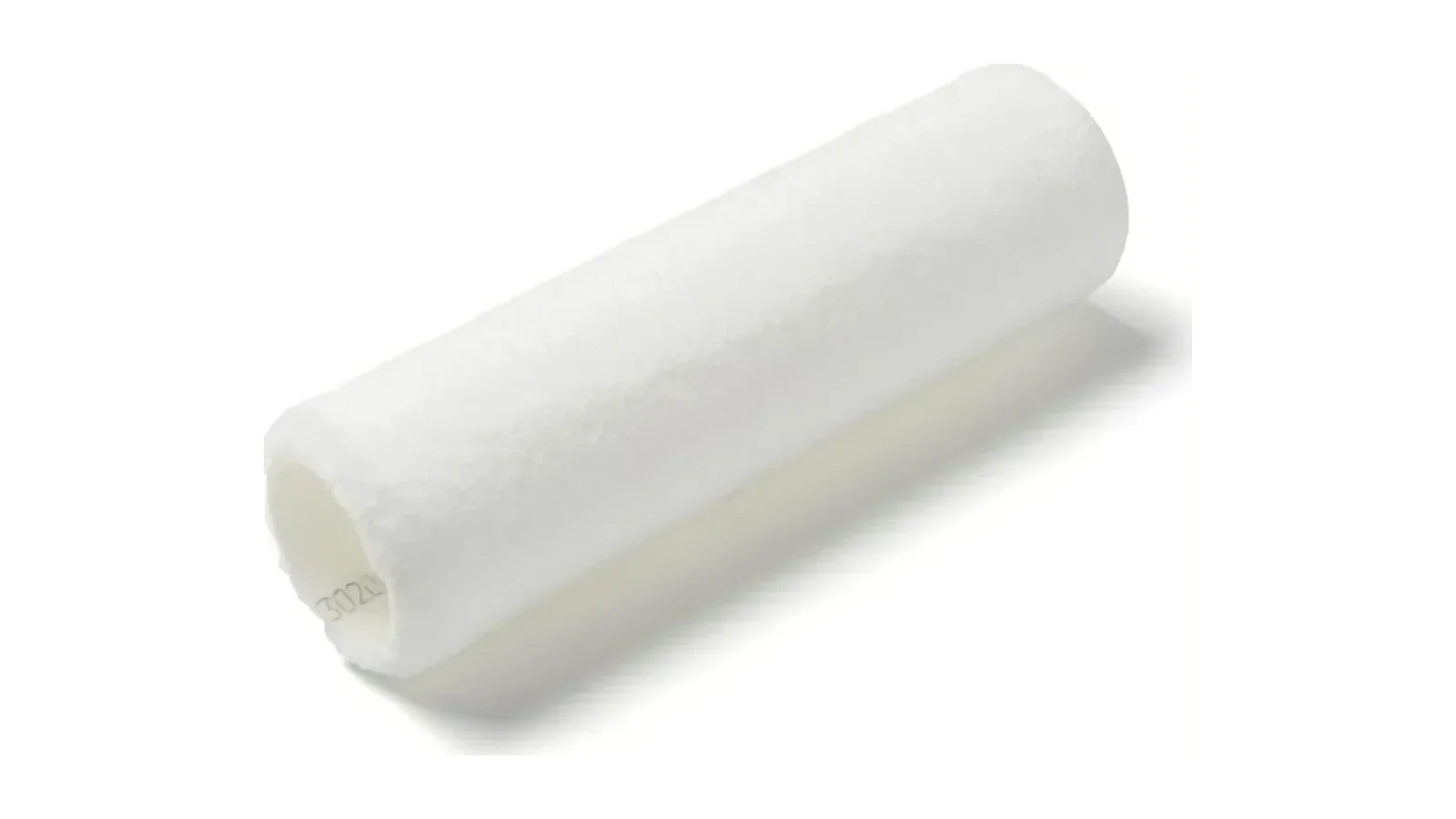
Woven fabric, microfiber, polyester, polyamide and foam

02Pile height

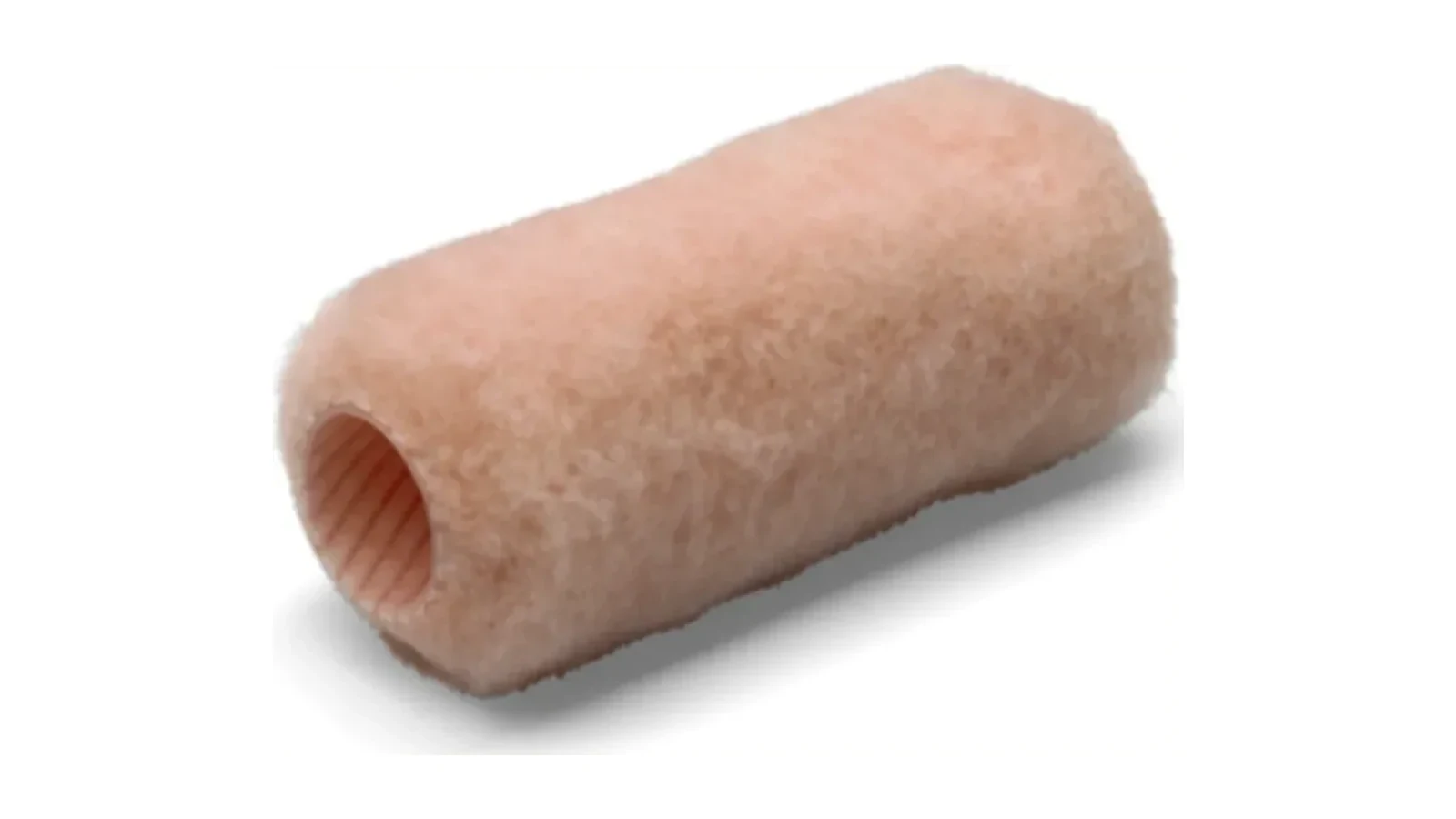
Short, medium and long nap matched to the target surface

03Width

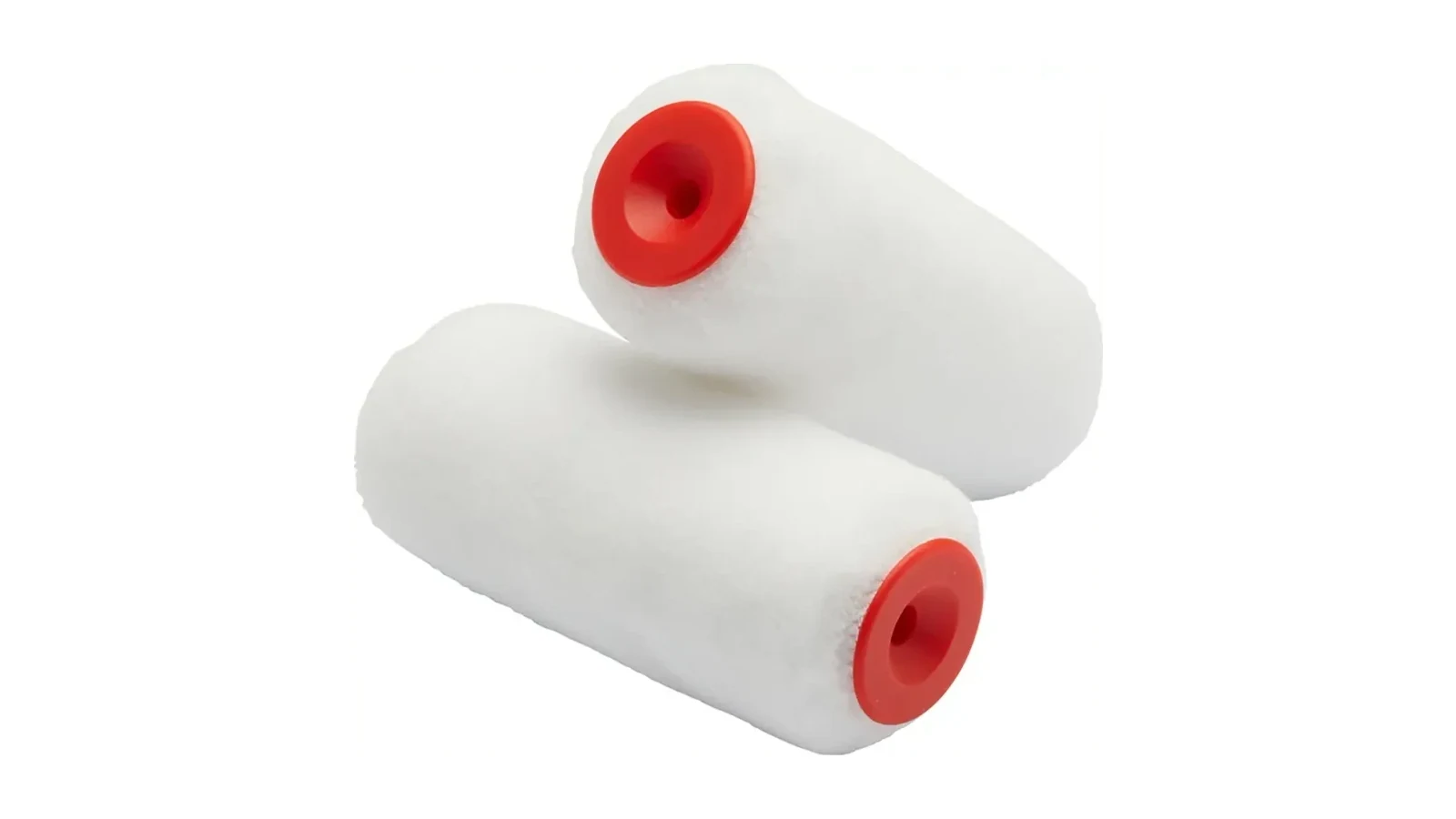
Mini, standard and market-specific inch or metric formats

04Core & end cap

Core diameter, end-cap color and frame compatibility

05Frame

Wire gauge, cage system, handle design and grip options

06Packaging

Sleeve, bag, label, refill pack, set, display box and carton

Roller cover options: core diameter, width and frame fit

These are published industry examples, not a Pamin stock list or a universal standard. Specify actual dimensions and tolerances for your frame system; a nominal inch label alone does not establish interchangeability.

Industry format references, subject to sample confirmation
ItemReference formatsBuyer checks
Cover width4, 7, 9 and 18 inCompare working width, overall length and working space; not every frame accepts every width.
Cover inner diameter1.5 in (38.1 mm); 1.75 in (44.45 mm)Published core examples, not the only systems. Confirm actual bore and cage fit; mini systems require separate checks.
Core materialTreated cardboard or plasticConfirm the specific core, bonding and coating compatibility; plastic alone is not a solvent-resistance guarantee.
End capOpen or capped configurationRecord both ends, retention and fit on the intended frame.
Frame and pole connectionBuyer-defined fittingThe shank is the metal arm, not a thread specification. Check the handle-to-pole interface separately.

Format references: Pro-Charger cover guide; construction: Diamond Vogel. Inch-to-mm values are arithmetic conversions, not measured product dimensions.

Choosing roller pile height by surface and finish

Nap is the exposed pile above the backing. A longer pile can reach deeper texture, while a shorter one is a starting point for smooth work. Paint formulation, fabric and technique also affect the result, so test the proposed cover on the actual surface.

Nap selection starting points, not guaranteed finishes
Nominal napConverted mm (rounded)Surface starting pointSelection consideration
3/16 in4.8 mmSmooth wood, metal or untextured plasterCheck film build and loading on a sample area.
1/4 in6.4 mmSmooth doors, cabinets and trimA short-pile option for a low-texture finish.
3/8 in9.5 mmSmooth to lightly textured interior wallsCompare finish against the chosen paint.
1/2 in12.7 mmLight texture and painted brickCheck that the cover reaches surface recesses.
3/4 in19.1 mmRough masonry and textured wallsMore surface reach can leave more texture.
1 in25.4 mmPronounced surface profilesEvaluate loading, coverage and final texture.
1 1/4 to 1 1/2 in31.8 to 38.1 mmHeavy texture, rough block or stuccoConfirm the coating maker's applicator guidance.

Retail labelling usually groups these dimensions as short nap (3/16 to 1/4 in), medium nap (3/8 to 1/2 in) and long nap (3/4 in and above). These are selection categories rather than universal dimensions, which is why the quotation should state the measured pile height rather than the category word alone.

Selection references: ROLLINGDOG, Triboro nap lengths and Diamond Vogel. Metric product labels may differ from converted inch values; record the actual agreed pile height.

Woven vs knit and microfiber roller covers

Woven and knit describe fabric construction; microfiber describes fine fibres, not a competing construction method. Specify both the fibre material and backing construction, then assess shedding, loading and release with the proposed coating.

Roller fabric comparison for sourcing
TypeSelection directionWhat to verify
KnitLooped fibres on a single pass-through backing make a more open fabric, so knit is often selected for faster loading and coverage.Check loose fibres and finish quality; shedding is the usual knit trade-off.
WovenFibres are locked into the backing by a tight double-lock process, so woven is often selected when a cleaner finish matters, including higher-sheen coatings.Shed-resistant is not a guarantee of zero lint.
MicrofiberFine synthetic fibre, usually a knit construction, evaluated for smooth decorative work.Confirm fibre composition, backing construction and release; the label alone is insufficient.
Wool / lambskinNatural fibre, and the material used on the original roller covers. Published comparisons put it at roughly 40,000-60,000 fibres per square inch against 3,000-6,000 for synthetic.Recorded as holding more paint, releasing better and cleaning up faster than synthetic, at a higher cost. Confirm the particular pile and backing; the density figure is a published comparison, not a Pamin specification.
MohairNatural goat hair combined with synthetic materials, published as a very low nap of 3/16 to 1/4 in.Published as suited to glass-like finishes on smooth surfaces, enamels on doors and millwork, and clear coatings. Confirm the actual blend and pile; mohair and wool are different materials and their published figures do not interchange.
FoamAn option for appropriate smooth-surface applications.Confirm foam grade and compatibility with paint and cleaning agents.

A woven cover can also be considered with flat or satin paint when finish quality takes priority. Compare samples under the same conditions rather than choosing on fibre colour, a material name or speed claims alone.

Technical background: Wooster roller selection and Diamond Vogel cover anatomy. Compare more applications in the roller fabric and nap guide.

SELECTION GUIDE

Pile height, fabric and cover format should follow the surface profile, coating system and finish target.

01

Smooth surfaces

Short pile or suitable foam for doors, cabinets, trim and smooth walls.

02

Light texture

Medium pile for common interior walls and controlled paint loading and release.

03

Rough surfaces

Longer pile for masonry, textured walls and deeper surface profiles.

How a wholesale roller program is built

  1. Define the specification. Record fabric, pile, width, core, frame and tray as a matched system. Identify the features that must match your benchmark and the options that can change.
  2. Agree sample evaluation. Use the intended coating and surface to compare the proposed product. Agree who evaluates it and which acceptance checks apply before approving the order.
  3. Approve packaging and artwork. Confirm sleeves, labels, sets, cartons, branding and buyer-supplied market wording together, so the approved product and its retail presentation remain aligned.
  4. Confirm the production reference. Record the approved sample and order specification, including the agreed inspection requirements. Do not leave dimensional or packaging changes to assumptions.

Send the target channel, benchmark and quantity to begin an OEM and private-label brief. MOQ, delivery timing and final construction require an individual quotation.

Market-specific buying briefs

Inch and metric schedules, pack languages and channel requirements need to be agreed for the destination. Review the market overview or start with these existing buying briefs:

Paint roller sourcing questions

What is the difference between woven and knit roller covers?

Knit covers use a looped, single pass-through backing that makes the fabric more open, so they generally pick up and release more paint and cover a surface faster, but published guidance notes they shed more readily. Woven covers lock the fibres into the backing with a tight double-lock process, which is why they are chosen when reduced shedding and a cleaner finish matter, including semi-gloss and gloss where sheen makes lint visible. Compare the proposed samples with the same paint, because construction alone does not guarantee performance.

What core diameter should I specify?

Published industry examples include 1.5 and 1.75 inches, but these are not the only frame systems. Specify the actual inner diameter and verify the fit and retention on your intended frame. These examples are not confirmed Pamin stock sizes.

Which nap should I choose for a given surface?

Start with shorter pile for smooth surfaces and longer pile for deeper texture. The table above gives reference options, not a universal prescription. Follow the coating maker's guidance and approve the result on the intended surface.

Can covers, frames, trays and sets be supplied as one coordinated retail program?

Yes. Covers, compatible frames, trays and accessories can be coordinated into a retail program, subject to the agreed specification and sample approval. Replacement refill fit should be checked against the same frame.

What information do you need to quote a roller range?

Send the target market, coating, surface, finish target, width, pile, core and frame reference, quantities, set contents and packaging requirements. Confirm sample evaluation and approval requirements before releasing a production order.

BUILD THE COMPLETE RANGE

Build a consistent retail or professional program with compatible products, approved samples and market-specific packaging.